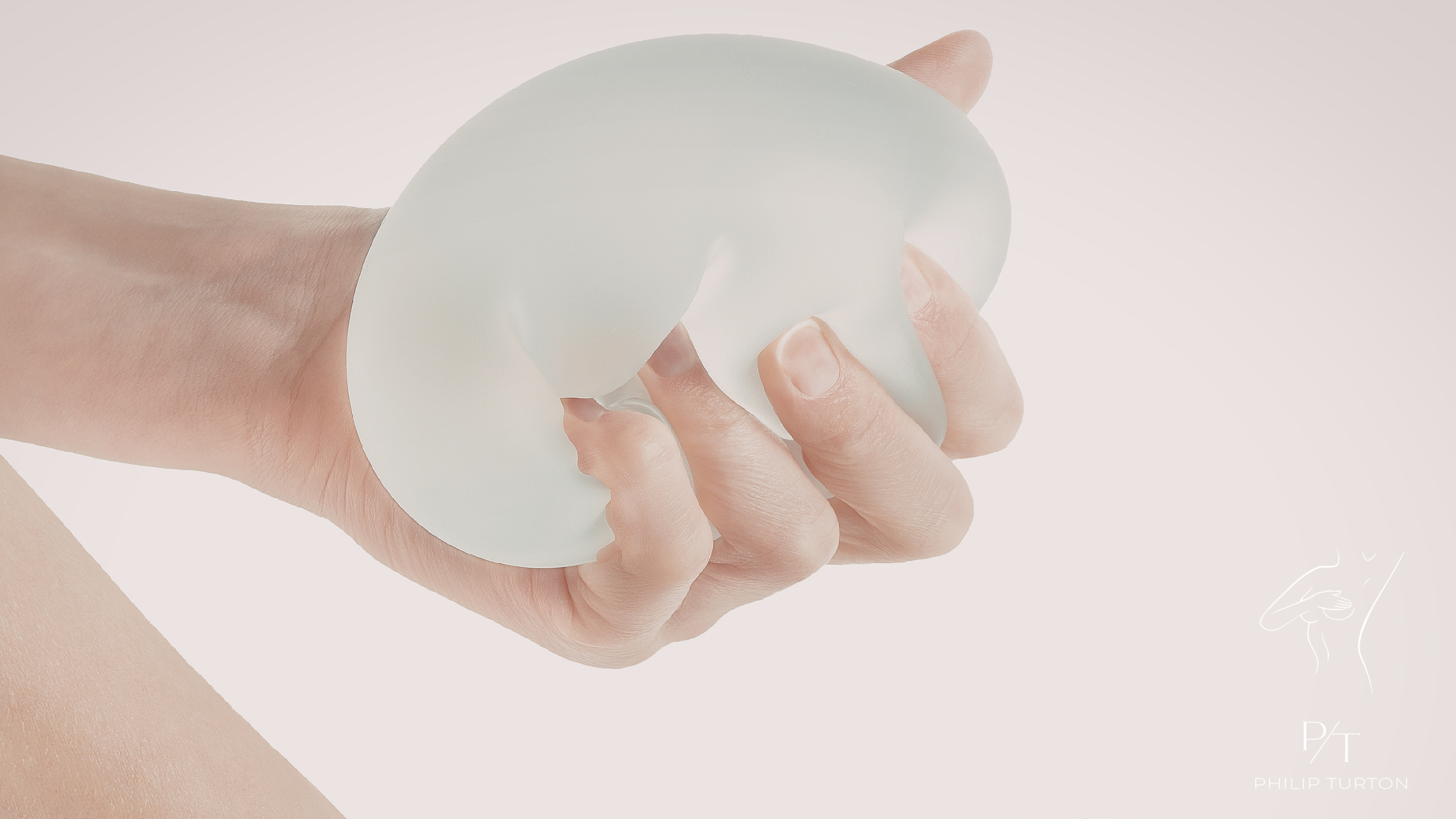

Implant removal paired with breast lift surgery offers women a path to natural breast contours after years with implants.
This procedure, known as explantation with mastopexy, addresses sagging and restores balance without new implants.
Patients often seek this for personal choice, complications, or rejuvenation.
The Decision to Explant: Listening to Your Body
The choice to undergo explant surgery (implant removal) is deeply personal. In recent years, we have seen a surge in women seeking to return to their “original” selves, often motivated by:
- Aesthetic Evolution: Large implants may no longer fit a patient’s lifestyle or aesthetic preference, specifically for those embracing a more athletic or natural look. Often it is the low hanging droop of breasts over the lower implant which is often called ‘the waterfall deformity” because of its appearance.
- Physical Comfort: The weight of older implants can contribute to neck, back, and shoulder pain over time.
- Health Vigilance: Some patients choose removal due to concerns regarding BIA-ALCL, Breast Implant Illness (BII) or simply the desire to live without a foreign object in the body.
- Implant Integrity: Rupture, capsular contracture (hardening of the scar tissue), or simply the end of the implant’s lifespan.
Regardless of the motivation, the goal remains consistent: a safe removal and a beautiful, rejuvenated aesthetic result.
Mr Philip Turton, Consultant Oncoplastic & Specialist Cosmetic Breast Surgeon from Leeds, UK, excels in these revisions, drawing on over 20 years of expertise in oncoplastic and aesthetic breast procedures.
Surgeons like Mr Turton tailor approaches to individual anatomy for optimal, lasting results. He has the technical ability to remove the surrounding implant capsule, but also knows when areas should be left alone.
Anatomy of the Procedure: Explant and Mastopexy
One of the primary concerns patients have is the fear of “deflated” or sagging breasts post-removal.
This is a valid concern, as the skin has often stretched to accommodate the implant. To address this, Mr Turton frequently combines implant removal with a mastopexy (breast lift).
1. The Explant Technique: En Bloc vs. Total Capsulectomy
Understanding the surgical terminology is crucial for your peace of mind.
Mr Turton performs explant surgery using precise techniques tailored to the patient’s medical needs.
- En Bloc Capsulectomy: This is the gold standard for patients concerned about implant rupture (or sometimes requested for BII). It involves removing the implant and the surrounding scar tissue capsule as one single, intact unit. This ensures that no implant material touches the breast pocket.
- Total or Sub-total Capsulectomy: In this variation, the entire capsule and implant are removed, but not necessarily in one piece. This is often performed when an en bloc removal might compromise safety, such as when the capsule adheres dangerously close to the ribs or lungs.
2. The Breast Lift (Mastopexy): Restoring the Shape
Once the volume of the implant is removed, the breast tissue must be reshaped.
A mastopexy involves:
- Removing excess skin to tighten the breast envelope.
- Relocating the nipple-areola complex to a higher, more youthful position on the chest wall.
- Auto-Augmentation: In some cases, Mr Turton can use your existing breast tissue to create an “internal implant.” By reshaping and suturing the lower pole tissue, he can project volume where it is needed most, creating a perky shape without the need for silicone. For smaller breasted ladies, even if you lack tissue to create fullness, the technique prevents collapse of the central breast shape behind the nipple, thereby preventing a hollowed out appearance or deep creases.
The Surgical Techniques Involved
Explantation begins with incisions matching prior augmentation scars, often inframammary or periareolar, to remove implants intact.
Mr Turton specialises in precise total or en-bloc capsulectomy where needed, excising scar tissue alongside the implant to minimise residue.
Following removal, mastopexy repositions the nipple-areola complex and excises excess skin, reshaping glandular tissue into a youthful form.
Techniques vary by sagging degree: periareolar for mild cases, vertical for moderate, or anchor-shaped for severe ptosis. Mr Turton’s oncoplastic training enables advanced reshaping, preserving blood supply and sensation.
Performed under general anaesthesia, the two-to-three-hour outpatient procedure uses biodimensional planning and imaging for precision surgery.
Preparing for Your Procedure
Consultation starts with a detailed history, examining implant age, complications, and skin elasticity.
Mr Turton employs bio-dimensional assessments to predict post-explant shape, discussing options like fat grafting if volume loss concerns arise.
Patients receive informed consent, covering risks. Pre-surgery, cease smoking six weeks prior, halt blood thinners, and arrange support for recovery.
Blood tests and any essential imaging ensure fitness; BAAPS advises psychological readiness if there are concerns for body image shifts.
Mr Turton’s Leeds practice emphasises bespoke plans, aligning with RCS cosmetic certification standards.
Recovery Timeline and Tips
Initial recovery mirrors mastopexy: soreness, swelling, and bruising peak days 3-5, managed by paracetamol and ice.
Wear a supportive bra continuously for four weeks; drains, if used, exit within days. Most resume desk work in 1-2 weeks, avoiding lifts over 5kg; full healing spans 6-12 months as breasts settle.
Follow-up at one week checks wounds; scars fade over a year with silicone gels. Mr Turton’s policy highlights avoiding strenuous exercise for 4-6 weeks to prevent haematoma and seroma.
Mr Turton’s patients report high satisfaction, aided by his audit-proven outcomes.
Potential Risks and How to Minimise Them
All surgery carries risks: infection (1-2%), seroma, asymmetry, or altered sensation per BUPA reviews.
Mastopexy-specific issues include nipple loss (rare: <5%) or poor scarring; anaesthesia adds a rare risk of DVT/PE or chest infection, but this is actually very unusual in modern practices, hospital based facilities and expert after care.
Mr Turton’s RCS certification and formed PRASEAG role ensure MHRA-aligned practices, with low revision rates from thousands of cases. Mitigation involves antibiotics, compression, and compliance; discuss BIA-ALCL screening if textured implants present.
Achieving a Rejuvenated Appearance
Post-recovery, breasts appear balanced, firm, and proportional, often smaller yet perkier. Many report liberation from implant maintenance, embracing natural movement. Mr Turton integrates oncoplastic finesse for symmetry, vital after uneven deflation.
Long-term, maintain stable weight, sun protection, and mammograms.
Patients value the emotional reset, with Mr Turton fostering confidence through expert care.
Results endure 10+ years with healthy habits.
Why Choose Mr Philip Turton for Your Fresh Start?
Choosing a surgeon for revision surgery is arguably more critical than for a primary augmentation.
It requires a surgeon with a reconstructive mindset—someone who understands anatomy deeply enough to rebuild it.
- Certified Excellence: UK-trained, GMC-registered, and RCS Cosmetic Breast Surgery-certified surgeon: a distinction that validates Mr Turton specific training and volume of practice specific to breasts alone.
- Oncoplastic Background: His background in breast cancer and reconstructive surgery means he is adept at complex tissue handling, a skill essential for correcting pockets and reshaping breast mounds after implant removal. He has exceptional senior experience (>21 years as a consultant).
- Patient-Centred Care: Known for his honest, unhurried consultations, Mr Turton ensures you never feel pressured. His role is to guide you toward the safest, most aesthetically pleasing outcome for your body.
Take the First Step Toward Your Natural Self
If you are considering implant removal, you need a partner in your journey who values safety, aesthetics, and your personal goals equally.
Contact Mr Philip Turton’s team in Leeds today to schedule a confidential consultation with the Doctor.