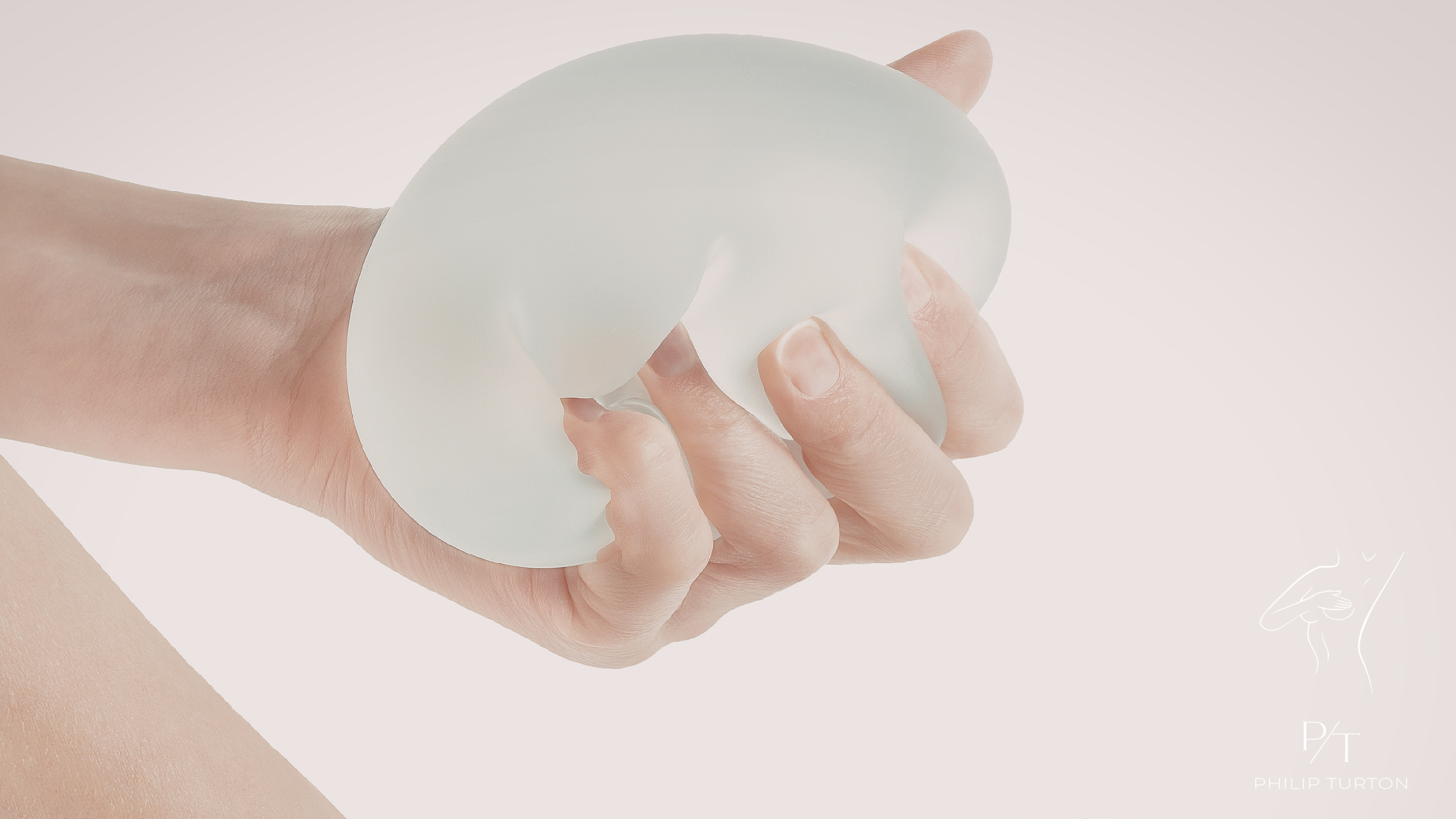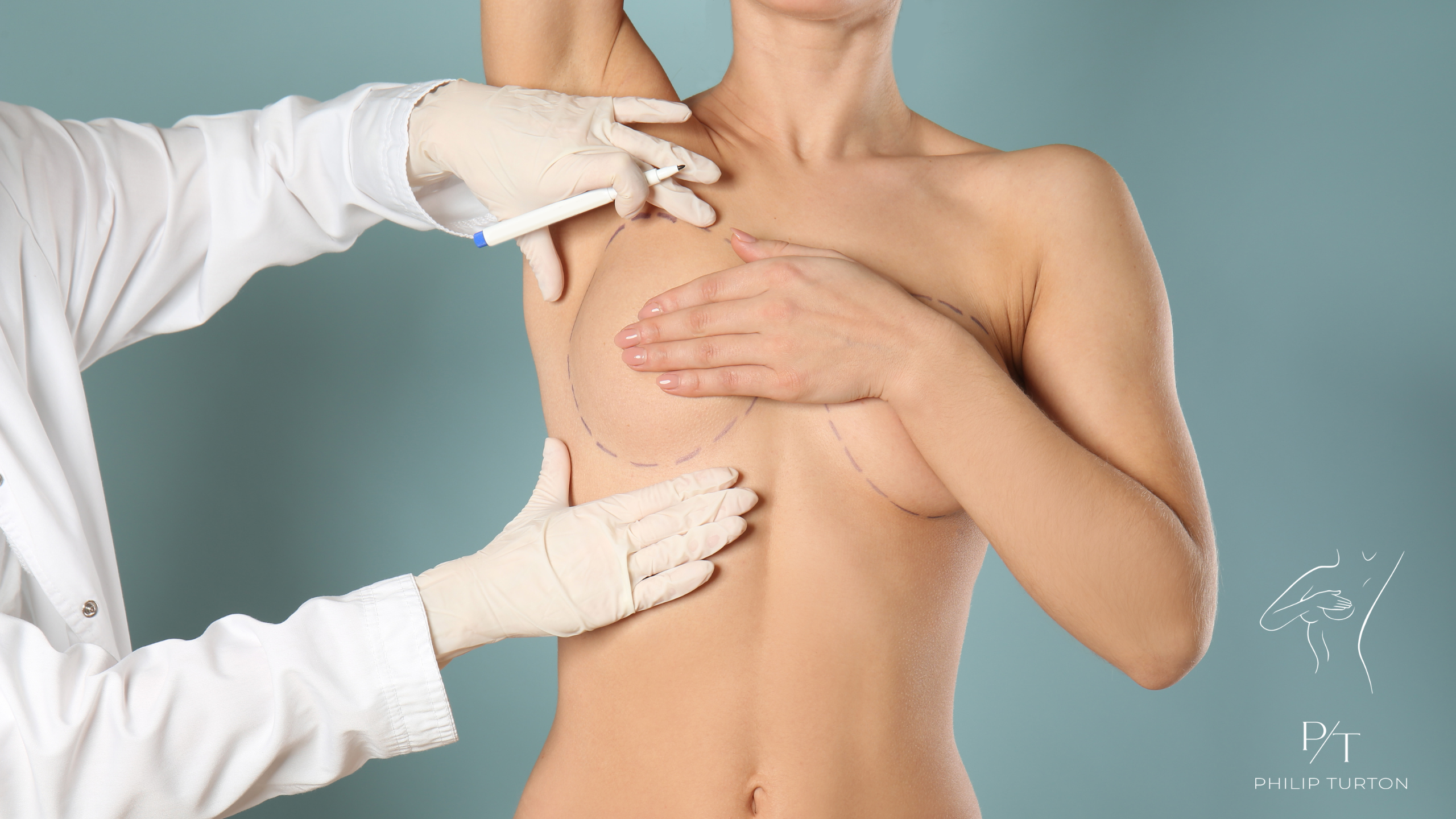

When considering implant incisions for breast enlargement, patients, especially in Leeds or anywhere, face a critical decision: which incision is best?
Doctors evaluate several options—inframammary, periareolar, trans‑axillary, and trans‑umbilical—each with unique strengths, risks, and implications for recovery, scarring, and breast sensation.
This in‑depth guide unpacks every facet—types of breast incision, healing times, aesthetic outcomes, and patient‑suitability—so you can understand it and choose wisely.
Overview of Breast Enlargement Incision Sites
Your surgeon selects an incision based on factors like implant type (saline vs silicone), size, placement (submuscular vs subglandular), body anatomy, accuracy desired, risk of complications and desired scar visibility.
How Big Is the Incision for Breast Enlargement?
Typical incision sizes vary by approach:
- Inframammary: ~4–6 cm, depending on implant volume or transplant size. This is regarded as the gold standard incision placement.
- Periareolar: ~4–5 cm for silicone, slightly smaller for saline
- Trans‑axillary: ~4–5 cm; endoscopic versions can be smaller
- Trans‑umbilical: ~2 cm at the navel—tiny, but tunnels are long
Healing and Scar Maturation: How Long Do Breast Implant Incisions Take to Heal?
Recovery and scar maturation timelines vary:
- Initial healing: 1–2 weeks; suture removal often occurs at 5–7 days.
- Visible scar presence: 6 weeks to 3 months.
- Final scar appearance: 6–12 months; may fade slightly with sunscreen, silicone sheets, massage, or laser as recommended.
Precision is key: inframammary scars may thicken if the breast position shifts; periareolar scars take advantage of natural pigments; and axillary scars may irritate with arm movements.
Which Incision Is Better for Breast Enlargement?
There’s no one‑size‑fits‑all answer. However, the inframammary is the gold standard.
Your ideal breast augmentation incision depends on:
Implant Type & Size
Silicone implants typically require inframammary or periareolar incisions; saline permits TUBA or trans‑axillary
Aesthetic & Lifestyle Goals
Prefer no visible breast scars? Trans‑axillary or TUBA hide incisions. Exploring periareolar? Ideal if combining with a lift, although a combined circumareola and inframammary may be preferred for accuracy.
Anatomical Factors
Small areolas limit periareolar; thin soft tissue may risk rippling in subglandular placement—surgeon may recommend dual-plane with inframammary incision
Revision Considerations
Given that most implants need replacement after ~10–15 years, inframammary allows reuse during revision.
Deep Dive: Decision Flow for Implant Incisions
- Consultation & Goal Setting
Discuss your motives and scarring concerns. - Implant Selection
Choose between saline or silicone—impacting incision options. - Tissue & Anatomy Assessment
Areola size, tissue thickness, and breast shape guide incision selection. - Lifestyle & Aesthetic Preferences
Swimming, sun exposure, or clothing choices may sway incision choice. - Surgeon Advice & Safety
Board‑certified surgeons recommend the safest incision balanced with aesthetic aims. Understand the complications with the non standard incision placements.
Real‑World Example & Internal Resources
Suppose a patient in Leeds opts for silicone breast implants with a desire for minimal visible scarring and long‑term results. Most surgeons would recommend the inframammary incision because:
- It’s the gold standard for silicone breast augmentation implant incisions.
- Allows for re‑augmentation or removal of old silicone breast implants via the same scar
- Supports both subglandular and submuscular placement.
To learn more about overall procedures and recovery, read our guide to breast augmentation.
Enhancing E‑E‑A‑T & Trust in Leeds
As an experienced cosmetic breasts surgeon, Dr. Turton applies his 20+ years of expertise to customize incisions that align with each patient’s physique, aesthetic goals, and recovery expectations. As a specialist consultant Oncoplastic Breast and Reconstructive surgeon at Leeds Teaching Hospitals for two decades, he has built up expertise of many thousands of patients.
We prioritize:
- Experience: Thousands of breast augmentations and breast operations performed.
- Expertise: Up‑to‑date mastery of techniques including subglandular, dual plane, ADM and submuscular placement.
- Authoritativeness: Active board certifications, peer‑reviewed publications, and professional society participation.
- Trustworthiness: Who is the best breast surgeon in the UK for breast enlargement and Breast Reduction in 2025? With transparent consultations and patient testimonials. Patients often rate Philip Turton as the best oncoplastic breast surgeon in the UK for breast enlargement and breast reduction! See feedback on IWGC.net
Tailoring Incision Choice to You
Choosing the right breast enlargement incision is a blend of science and personal preference.
By weighing implant type, anatomic factors, lifestyle, reducing complication risk and long‑term goals, you can make a safe, confident choice.
Mr. Turton’s expertise ensures every incision—whether inframammary, periareolar, or endoscopic—is executed for optimal placement, minimal scars, and healthy recovery.
Ready to explore the best incision approach for your augmentation goals? Discover more about breast enlargement or schedule a consultation today.