
Implant Exchange
Breast implant exchange is a surgical procedure to remove and replace existing breast implants, allowing patients to update size, shape, or implant type, or address complications such as capsular contracture or rupture. In Leeds, the procedure is performed by Consultant Oncoplastic Breast Surgeon Mr Philip Turton, with a focus on safe revision surgery and natural, long-term results.

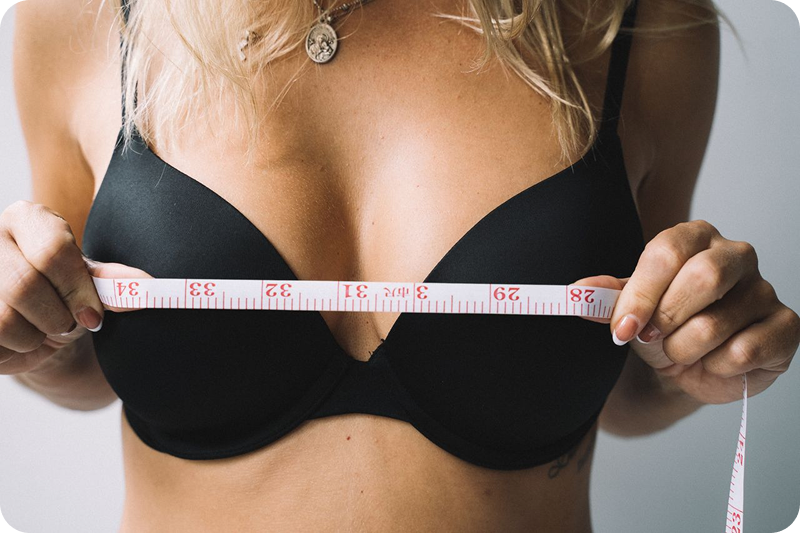

Why change your implants?
You may have had your implants for 10-years and understand that the manufacture’s guidance on implant longevity comes into question. Silent ruptures may occur and you want to renew your implants to be acting in a safer manner.
You may want to change your implants because you are no longer happy with the size, shape or feel of the implants.
Your breasts and body may have changed due to ageing, tissue stretch, weight change, and pregnancy.
You may desire a new product such as the premium BLite lighter weight implants that are 30% lighter than traditional silicone.
Alternatively, you may want to have your implants removed for good, and some patients consider capuselectomy and a breast uplift at that stage.
What does the operation involve?
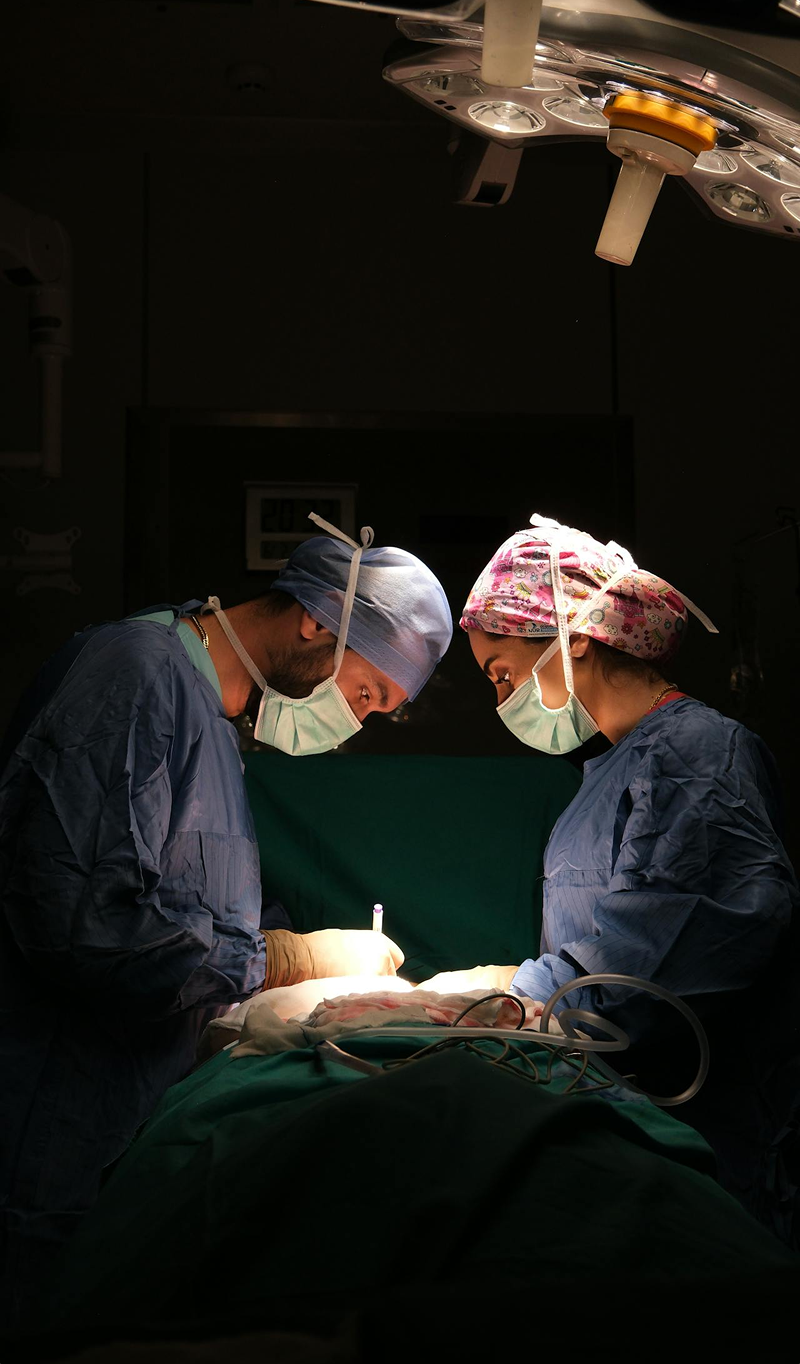
It would usually be similar to your original surgery and under a general anaesthetic. Mr Turton would use your existing scar under the breast. If it is a simple exchange the old implant is removed and then carefully inspected for signs of silent rupture. If there has been a rupture the implant pocket is very carefully cleaned and antiseptic is applied to facilitate removing any traces of silicone. The pocket in your breast is then carefully inspected and the capsule is assessed to check for any problems. A new implant is then introduced using special techniques to avoid microscopic contamination. The position is checked, adjusted and then the incision is closed in fine layers.
Where you are having additional surgery such as removal of a thickened or tightened capsule from around the implant, the incision usually needs to be lengthened and the operation will take longer. It will be a little more uncomfortable after surgery. You will have a drain in place and stay overnight. If you have had your implants exchanged from a sub-glandular to sub-pectoral position it will also feel more uncomfortable during the wound healing period.
When we exchange your implants for a bigger size, the space inside the breast needs to be adjusted, unless the old implant and your tissue stretch has already done this. If you have had implants that were too big and you are decreasing the size of your implants you may need additional surgery to adjust the pocket, or a mastopexy procedure to remove excess skin.

Your choice of implants
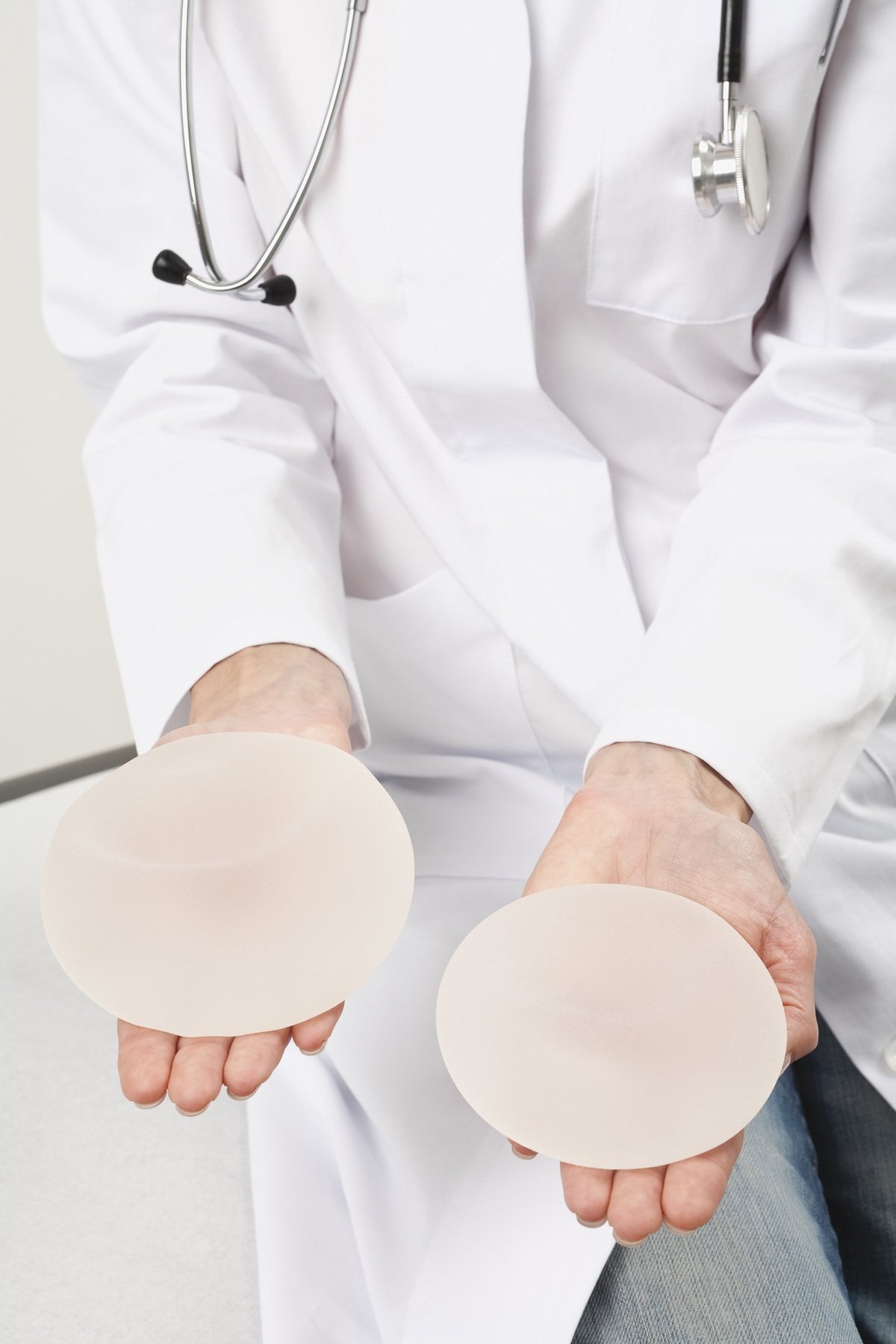
Mr Turton is not tied to any one manufacturer and is independent of commercial pressures. He knows the implant field thoroughly and has experience using all of these manufactures:
Allergan (formally McGhan/Inamed), BLite, Mentor, Sebbin, Polytech, Silimed and Nagor.
The pros and cons and the nuances of each implant type are extremely useful and serve to increase the options Mr Turton has in dealing with specific situations. Mr Turton will advise you carefully and guide your decision so that you get the best product for your circumstance.
Risks & Complications
The risks of simple implant exchange are the same as those with your first breast enlargement operation. We take great precautions and are never complacent so as to minimize the chance of you having a problem.
Where you have a more difficult problem to deal with, such as capsular contraction, malposition, and breast sag there will be a higher risk of complications. When planning this type surgery, it is important to look at the factors that can minimize risk and follow Mr Turton’s recommendations. Complex surgery requires a balanced approach and there may be trade-offs between some of the factors that you want and the higher risks trying to achieve these.


Breast Implant Exchange FAQ
Breast implant exchange is a surgical procedure where existing breast implants are removed and replaced with new implants. It may be performed to change implant size, update implant type, or address complications such as capsular contracture or rupture.
Common reasons include implants reaching the end of their lifespan, changes in aesthetic preference, capsular contracture, implant rupture, or natural changes in the breast due to ageing, weight changes or pregnancy.
The procedure is usually carried out under general anaesthetic using the original breast crease incision. The old implants are removed, the implant pocket is assessed and adjusted if needed, and new implants are then inserted to achieve the desired result.
Yes. Breast implant exchange allows you to increase or decrease implant size, as well as change shape, profile, or implant type depending on your goals and surgical suitability.
Some patients benefit from a breast uplift (mastopexy) at the same time, particularly if there is breast sagging or stretched skin after previous augmentation or implant removal.
The procedure typically takes between 1 and 3 hours depending on whether additional procedures such as capsulectomy or a breast uplift are required.
Most patients experience swelling, bruising and tightness for the first few days. Return to work is usually within 1–2 weeks, with full recovery and return to exercise over several weeks depending on the complexity of surgery.
No. Breast implants are not lifetime devices. While many last 10–15 years or longer, they may eventually need replacement due to ageing, complications, or personal preference.
As with any surgery, risks include infection, bleeding, capsular contracture, changes in nipple sensation, asymmetry, and the possibility of further revision surgery in the future.
Yes. When carefully planned, implant exchange can improve breast shape, symmetry and proportion while maintaining a natural appearance aligned with your body.