Corrective Breast Surgery
Corrective breast surgery is a specialized procedure aimed at addressing issues arising from previous breast augmentation or reconstruction surgeries.
While most patients achieve their desired results from cosmetic breast surgery, a small percentage may encounter complications or find their results unsatisfactory. Some develop adverse results over the passage of time.
This is where corrective surgery, performed by an expert like Mr. Philip Turton in Leeds, becomes essential.



Why Corrective Breast Surgery is Needed
Corrective breast surgery may be required for several reasons, including:
Changes in Aesthetic Preferences
Over time, patients may wish to adjust the size or style of their implants.
Natural Changes in the Body
Factors like weight fluctuations, aging, or breast tissue sagging can affect the appearance of the implants.
Complications from Previous Surgery
Common issues include capsular contracture, asymmetry, implant visibility or wrinkling, and breast droop.
Each patient’s situation is unique, and the need for corrective surgery often arises from a combination of personal preferences and medical considerations.
Common Problems Addressed in Corrective Breast Surgery
Corrective surgery addresses a range of complications, including:
Capsular Contracture
This condition involves the hardening of scar tissue around the implant, leading to discomfort and distortion in breast shape.
Asymmetry
Differences in breast size or position can occur, requiring correction for a balanced appearance.
Breast Droop (Ptosis)
Sagging breasts, often due to aging or implant displacement, can be lifted and reshaped during corrective surgery.
Implant Palpability or Visibility
When implants are too visible or palpable, corrective surgery can reposition them to create a more natural look and feel.
Wrinkling
Wrinkles or ripples in the skin over the implant can be smoothed out with proper surgical techniques.
The Challenges of Revision and Reconstructive Surgery
Statistics from the FDA Adjunct Studies indicate that around 1 in 5 patients experience complications after revision breast augmentation or reconstruction surgery within five years.
This is significantly higher than the complication rates for primary breast augmentation.
The increased risk underscores the importance of careful planning and choosing an experienced surgeon for revision procedures. Mr. Turton approaches every corrective surgery with meticulous attention to detail to minimize risks and achieve optimal outcomes.
Mr. Turton’s Expertise in Corrective Breast Surgery in Leeds
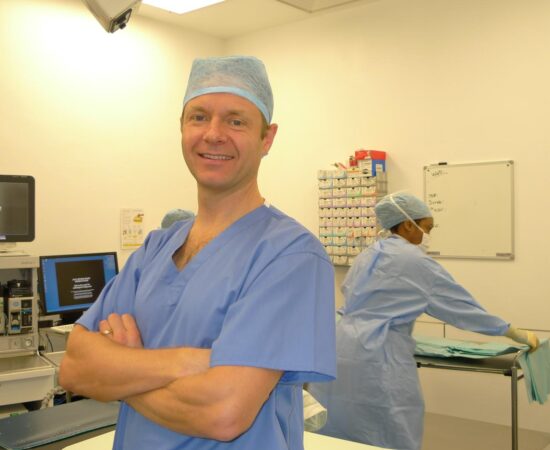
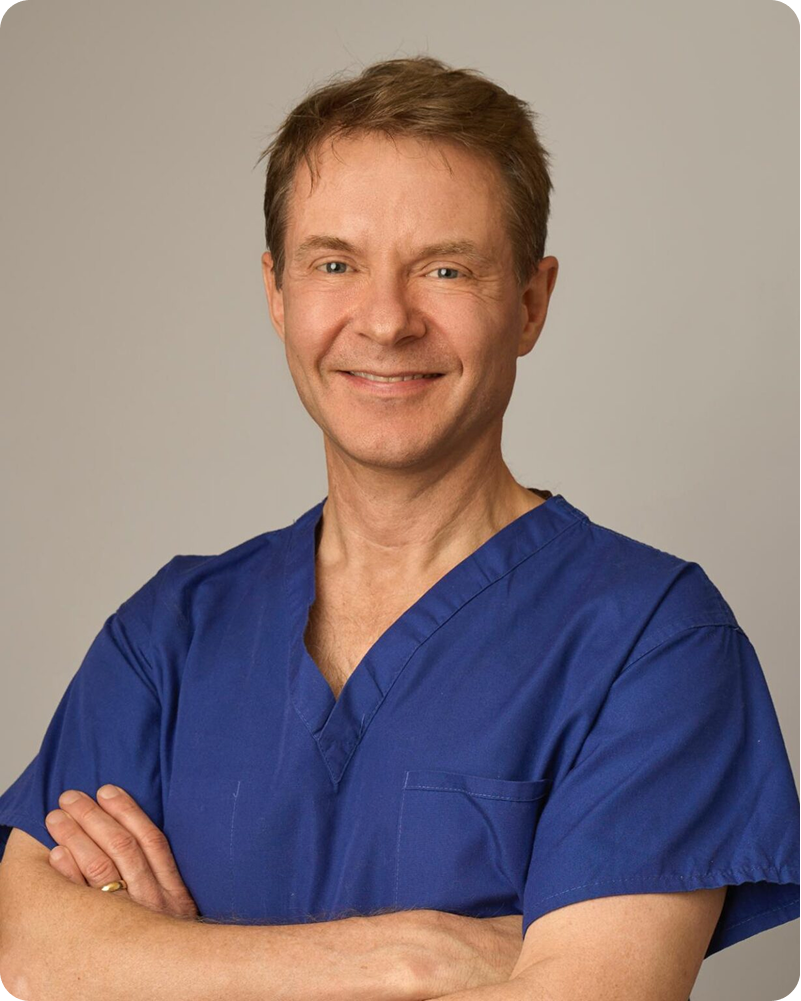
With over 21years of experience, Mr. Philip Turton is a highly skilled oncoplastic breast surgeon based in Leeds who specializes in breast surgery, including corrective procedures.
His approach is thorough, compassionate, and tailored to each patient’s needs.
Key highlights of Mr. Turton’s practice include:
Extensive Experience
He has successfully treated hundreds of patients who required corrective surgery after procedures performed elsewhere.
Impressive Safety Record
In over two decades of performing primary breast enlargement surgeries, Mr. Turton has had no implant infections. This exceptional record reflects his commitment to safety, precision, and the use of advanced techniques.
Patient-Centered Approach
Mr. Turton evaluates each case individually, ensuring the proposed corrective surgery aligns with the patient’s goals and medical needs.
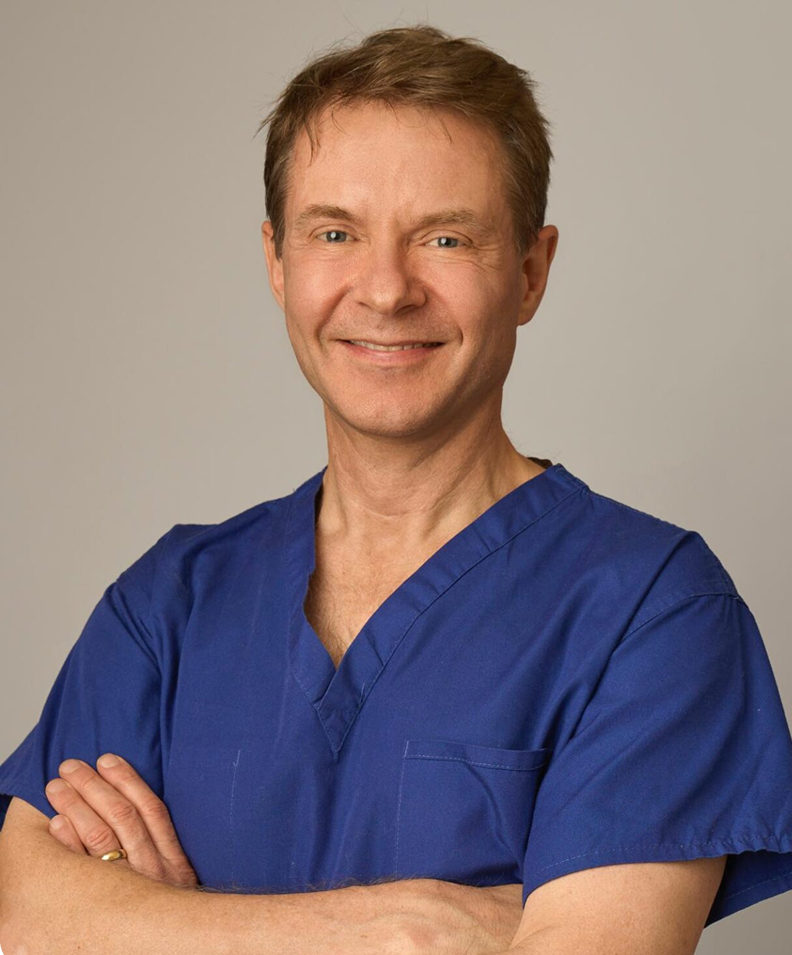
Corrective breast surgery requires more than just technical expertise—it demands considerable expertise, a deep understanding of the patient’s history and an individualized approach.
During your consultation, Mr. Turton will review your previous surgical records, assess the current state of your breast tissue and implants, and discuss your desired outcomes.
It’s important to note that corrective surgery is more complex and costly than the original procedure. In some cases, multiple stages of surgery may be required to achieve the desired results.
Mr. Turton ensures that patients are fully informed about the procedure, potential risks, and associated costs, so there are no surprises along the way.
Choosing the right surgeon for corrective breast surgery is crucial. Mr. Turton’s outstanding track record, combined with his personalized care and dedication to excellence, provides patients with peace of mind and confidence in their journey toward improved results.
If you are considering corrective breast surgery or have concerns about your previous breast augmentation or reconstruction, contact Mr. Philip Turton’s Leeds clinic today to schedule a consultation. With his expertise and commitment to patient satisfaction, you’ll be in the best possible hands.
Breast Implant Exchange FAQ
Corrective breast surgery (also known as revision breast surgery) is a range of procedures designed to improve the results of previous breast surgery. It may involve implant exchange, implant removal, capsulectomy, breast uplift, or correction of asymmetry, depending on the individual case.
It is suitable for patients who are unhappy with the results of previous breast surgery or who have developed complications such as capsular contracture, implant rupture, asymmetry, implant malposition, or changes in breast shape over time.
Corrective breast surgery is not a single operation. It may include implant exchange, implant removal, breast uplift (mastopexy), capsule surgery, nipple or areola correction, scar revision, or a combination of these procedures depending on the underlying issue.
Corrective surgery is more complex than first-time breast surgery because it involves working with scar tissue, altered anatomy, and previous implant pockets. This requires more detailed planning and a tailored surgical approach.
In some cases, yes. Many patients benefit from combined procedures such as implant exchange with a breast uplift, or implant removal with fat transfer or mastopexy, to achieve the best aesthetic and functional outcome.
Recovery varies depending on the procedures performed. Most patients return to work within 1–2 weeks, with swelling and bruising improving over several weeks. Final results typically continue to refine over several months.