
Male Breast Liposuction
Male breast liposuction is a procedure designed to improve chest contour in men with excess fatty tissue affecting the breast area. It is commonly used to treat pseudogynaecomastia, where enlargement is caused primarily by fat rather than glandular breast tissue.
In Leeds, the procedure is performed by Consultant Oncoplastic Breast Surgeon Mr Philip Turton, who uses advanced water-jet-assisted liposuction techniques to help create a flatter, more masculine chest appearance.
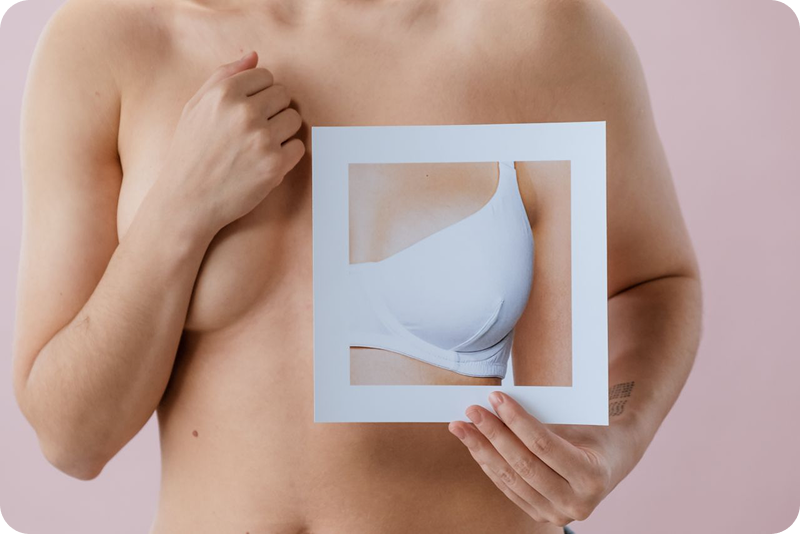
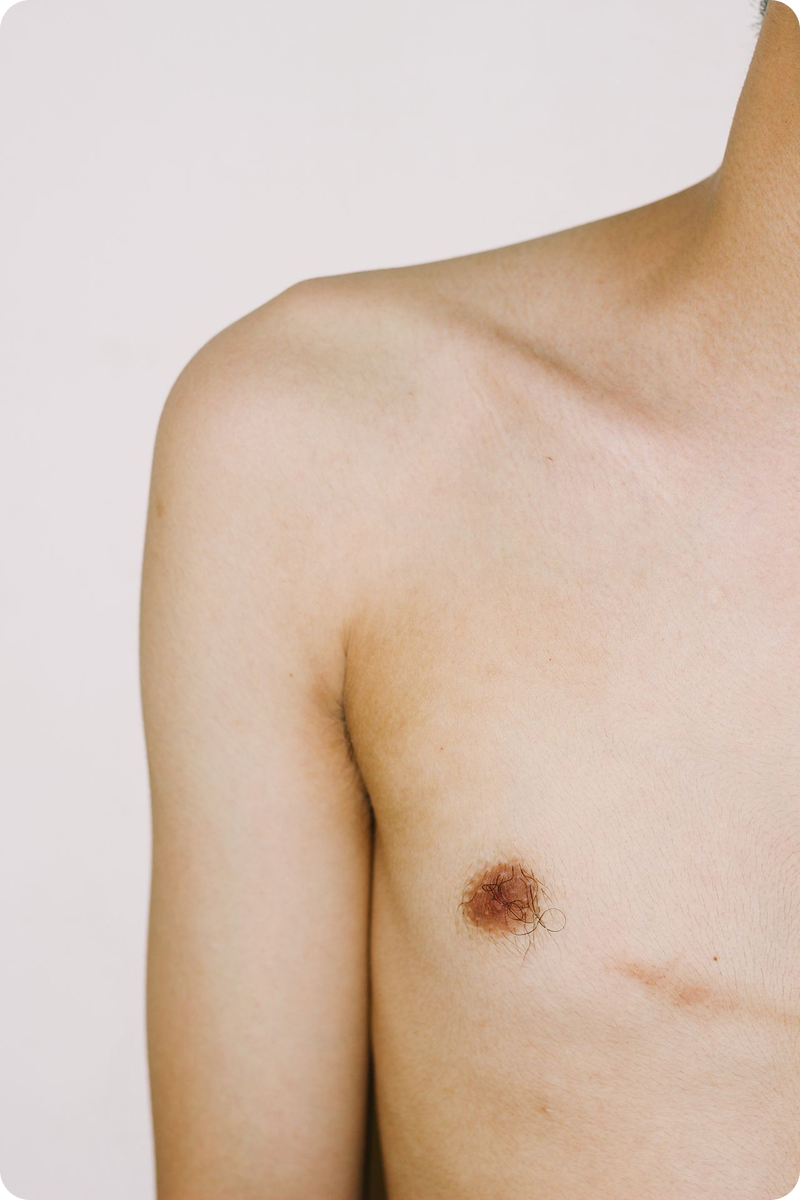
Why Male Breast Liposuction
Excess breast tissue in men can be a significant source of self-consciousness and may affect confidence in social situations, sports, swimming and fitted clothing.
Where excess fat is the primary cause of chest enlargement, liposuction can provide an effective and minimally invasive solution. Modern water-jet-assisted liposuction techniques allow fat to be removed with less trauma, reduced bruising and improved contouring compared with traditional methods.
Reasons for choosing Male Breast Liposuction
Many men seek treatment because enlarged breast tissue affects both appearance and confidence. The procedure is intended to create a flatter, more defined chest contour while maintaining a natural masculine appearance.
Aesthetic Concerns
- Excess fat affecting chest definition
- Enlarged or rounded breast appearance
- Difficulty achieving a flatter chest through exercise alone
- Poor fit in shirts and fitted clothing
- Lack of chest contour despite weight loss
Physical Concerns
- Excess fatty tissue on the chest wall
- Persistent pseudogynaecomastia
- Localised fat deposits resistant to exercise
- Chest fullness affecting body proportion
Emotional & Social Impacts
- Embarrassment when removing a shirt in public
- Reduced confidence when swimming
- Self-consciousness in fitted clothing
- Avoidance of social or sporting activities
- Frustration despite maintaining a healthy lifestyle
The Procedure
Male breast liposuction is designed to remove excess fatty tissue from the chest wall and improve overall contour. The exact technique depends on whether enlargement is caused by fat alone (pseudogynaecomastia) or whether glandular breast tissue is also present. In some cases, liposuction may be combined with direct surgical excision to achieve the best result.
01
General anaesthetic administered.
02
Small incisions made around the chest – local anaesthetic infiltrated into fatty tissue.
03
Water-jet-assisted liposuction used to dislodge and remove fat.
04
Chest contour assessed and refined during surgery – compression garment applied.
DURATION:
Typically 1–1.5 hours for both sides.
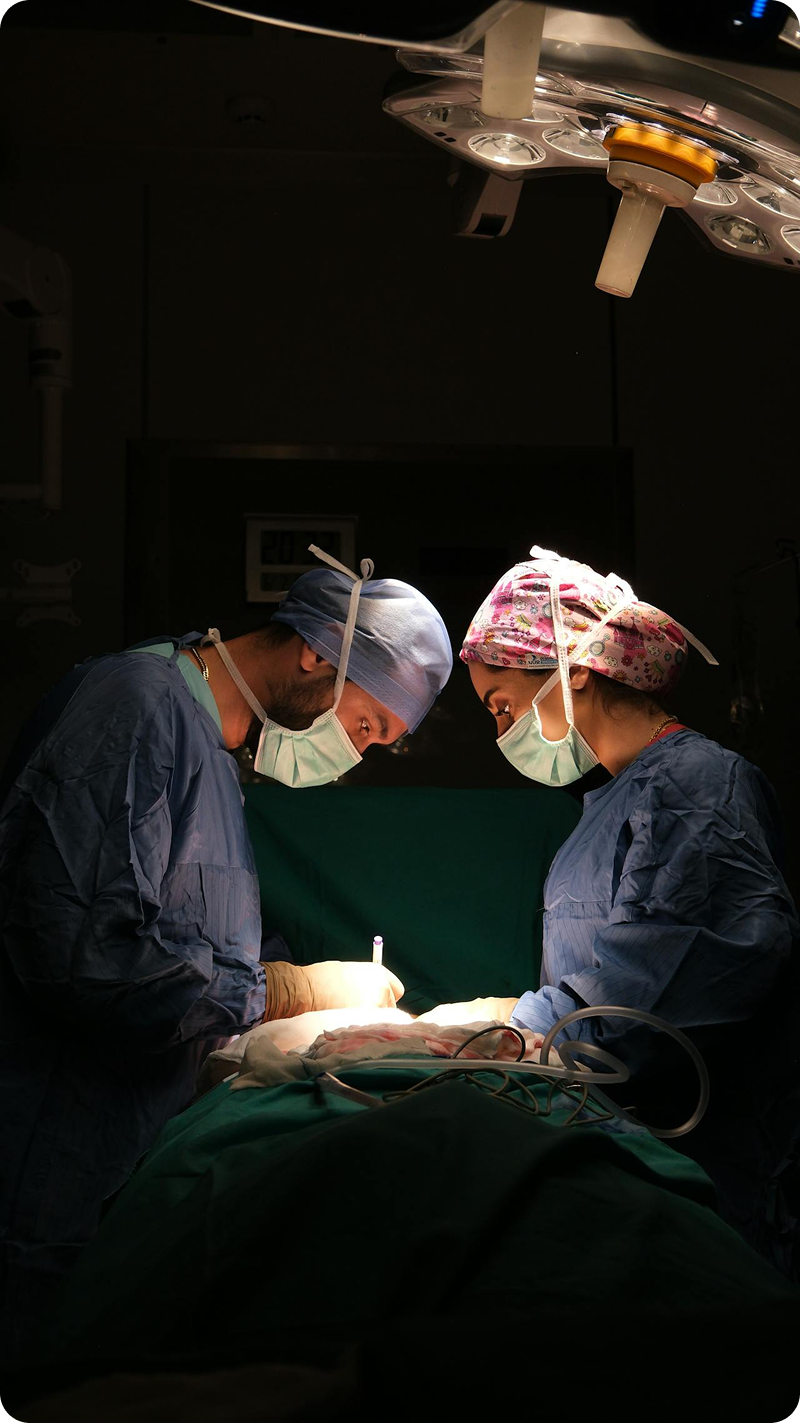

Safety and Recovery for Male Breast Liposuction
Water-jet-assisted liposuction is designed to minimise tissue trauma while allowing effective fat removal and chest contouring. Compared with traditional techniques, it is associated with less swelling, bruising and discomfort.
Potential risks include:
- Bruising
- Swelling
- Haematoma
- Infection
- Asymmetry
- Residual contour irregularities
- Scarring at incision sites
- Need for revision surgery in selected cases
Patients are advised to achieve a healthy BMI before surgery to optimise outcomes and long-term results. A compression garment is typically worn for several weeks following treatment.
95%+
of cases result in visual improvement
Male Breast Liposuction Results
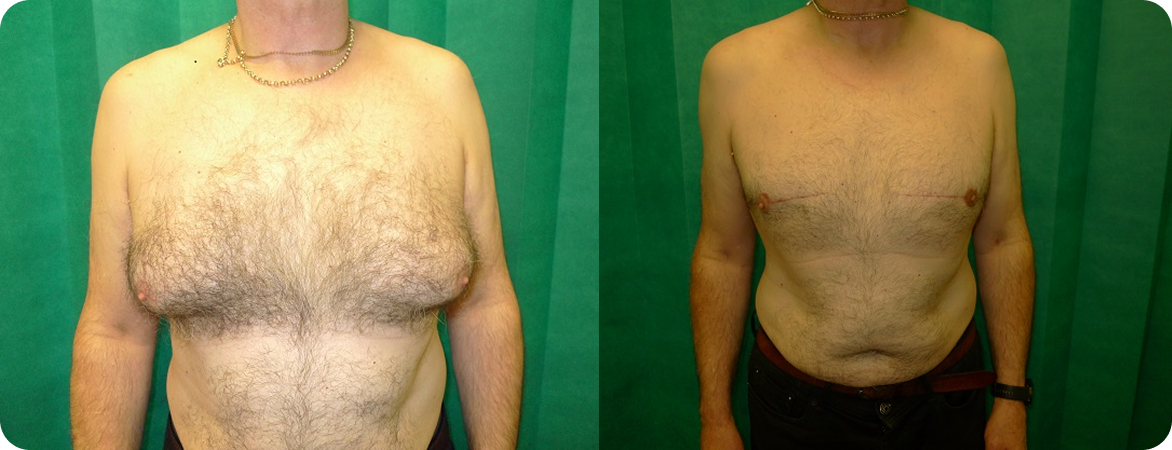
The goal of treatment is to create a flatter, firmer and more masculine chest contour. Most patients notice an improvement immediately after recovery begins, although swelling initially masks some of the final result.
Results continue to improve as swelling settles and skin contracts. In suitable patients, outcomes are generally long-lasting, particularly when weight remains stable.
Patient Suitability
Male breast liposuction may be suitable for men who:
- Have pseudogynaecomastia caused primarily by excess fat
- Are close to a healthy BMI
- Have good skin quality and elasticity
- Have not achieved desired chest contour through diet and exercise
- Are in good general health
- Have realistic expectations of surgery
Patients with significant glandular breast tissue may require direct surgical excision in addition to liposuction.


Male Breast Liposuction Costs
Price on consultation.
Recovery Timeline
Day 1
Recovery following surgery with compression garment applied
First week
Mild swelling, bruising and chest tightness expected. Most patients return to work.
3 weeks
Walking unrestricted; cycling, gentle swimming and jogging may resume
4–6 weeks
Compression garment typically discontinued
6 weeks
Gym work, golf, weight training and racket sports may resume
8 weeks
Contact sports, bodybuilding and athletic swimming may resume
3–12 months: Final results continue to develop as swelling resolves and tissues
Male Breast Liposuction FAQ
Pseudogynaecomastia is enlargement of the male chest caused primarily by excess fat rather than glandular breast tissue.
Typically 1–1.5 hours for both sides.
Most patients experience mild tenderness and tightness. Liposuction techniques using local anaesthetic infiltration are often relatively comfortable following surgery.
Usually after approximately one week, although some patients return sooner depending on their occupation
Most patients notice improvement immediately, but swelling can mask approximately half of the final result during the early recovery period.
Results are generally long-lasting, although significant weight gain or anabolic steroid use can contribute to recurrence.
Liposuction removes excess fat, whereas gynaecomastia surgery removes glandular breast tissue. Some patients require both techniques.
Liposuction scars are typically very small and placed discreetly around the chest wall.
Patients are encouraged to reach a healthy BMI before surgery to achieve the best possible outcome.
Yes. A compression garment is normally worn for 4–6 weeks to support healing and contour development.