
Breast Reconstruction Surgery
Breast reconstruction is a surgical procedure that restores the shape, symmetry and appearance of the breast following mastectomy or other breast cancer treatment.
In Leeds, breast reconstruction is performed by Consultant Oncoplastic Breast Surgeon Mr Philip Turton, who combines cancer surgery expertise with advanced reconstructive techniques to help patients regain confidence and achieve natural-looking results.
Breast reconstruction can be performed immediately following mastectomy or at a later stage, depending on individual treatment plans and patient preferences.


Why Breast Reconstruction Surgery?
For many women, breast reconstruction forms an important part of recovery following breast cancer treatment. The procedure aims to restore breast shape and balance, helping patients feel more comfortable with their appearance after surgery.
Modern reconstructive techniques can recreate breast volume and contour using implants, the body’s own tissue, or a combination of both, allowing treatment to be tailored to individual needs and medical circumstances.
Reasons for choosing Breast Reconstruction
Breast reconstruction is a highly personal decision. Women choose reconstruction for a variety of physical, emotional and practical reasons following breast cancer treatment or preventative breast surgery.
Aesthetic Concerns
- Replace tissue removed during cancer surgery
- Improve clothing and bra fit
- Address chest wall contour changes
- Support overall body proportion following treatment
Physical Concerns
- Neck, back, and shoulder pain from the weight of large breasts
- Skin irritation or infections under the breasts
- Poor posture, including rounded shoulders or forward stooping
- Discomfort during exercise, making physical activity unpleasant
Emotional & Social Impacts
- Regain confidence after breast cancer treatment
- Feel more comfortable in everyday clothing
- Restore a sense of normality following surgery
- Improve body image and self-esteem
The Procedure
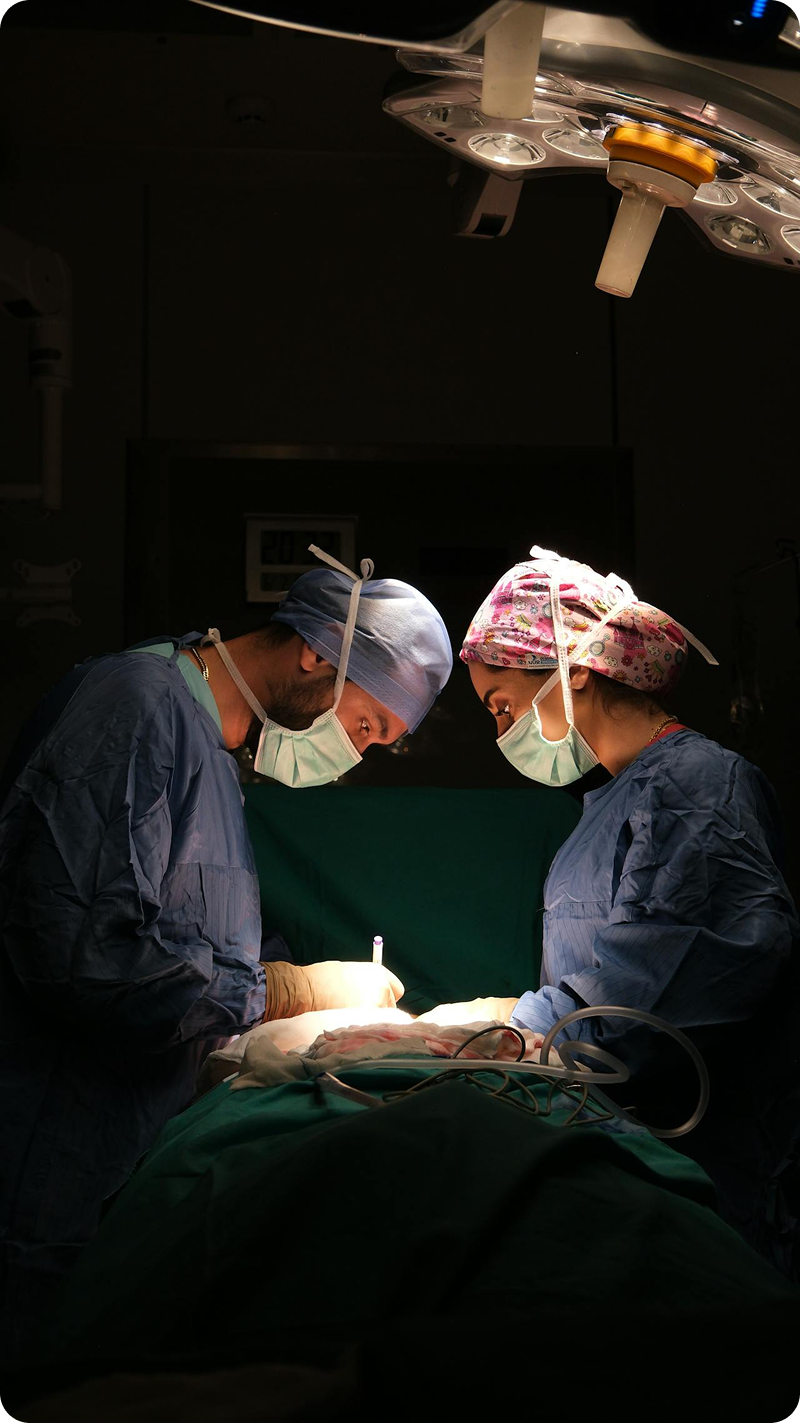
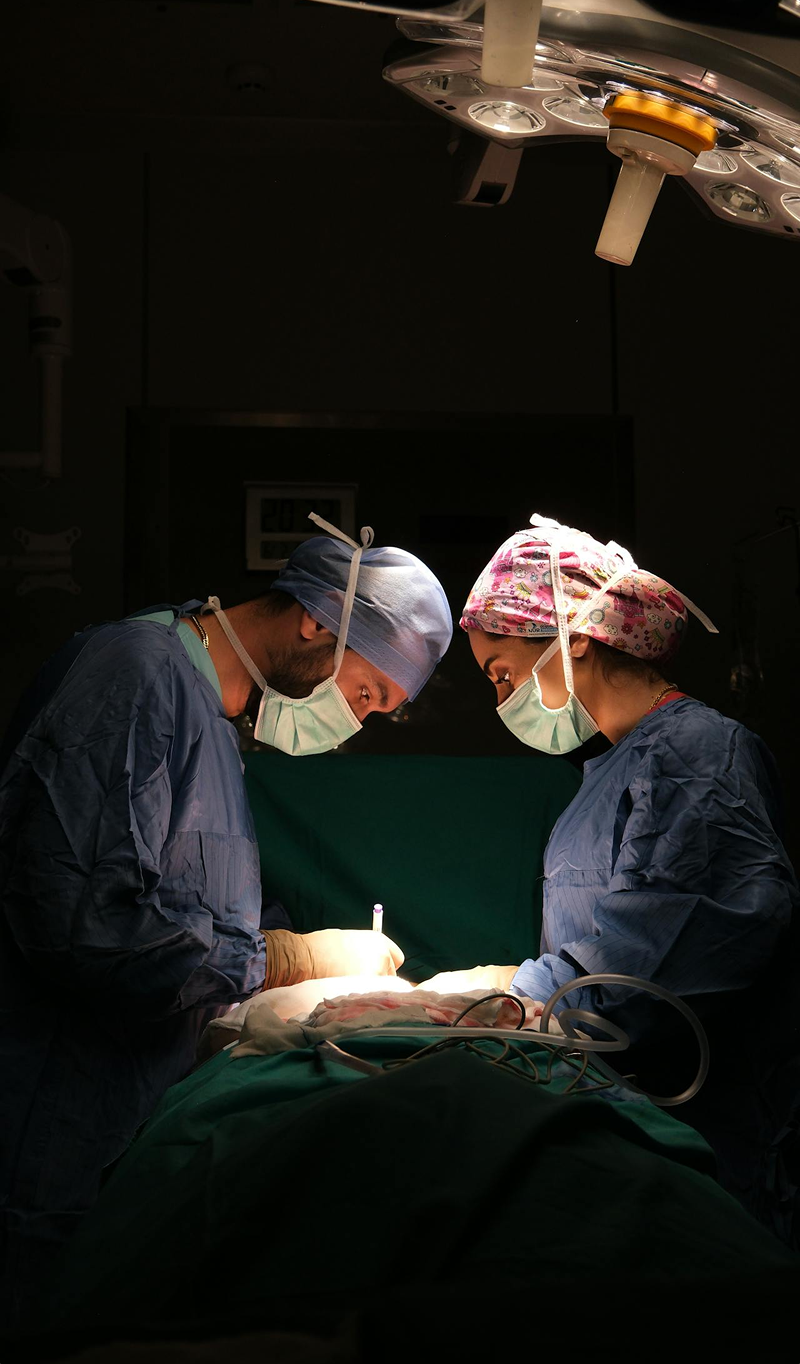
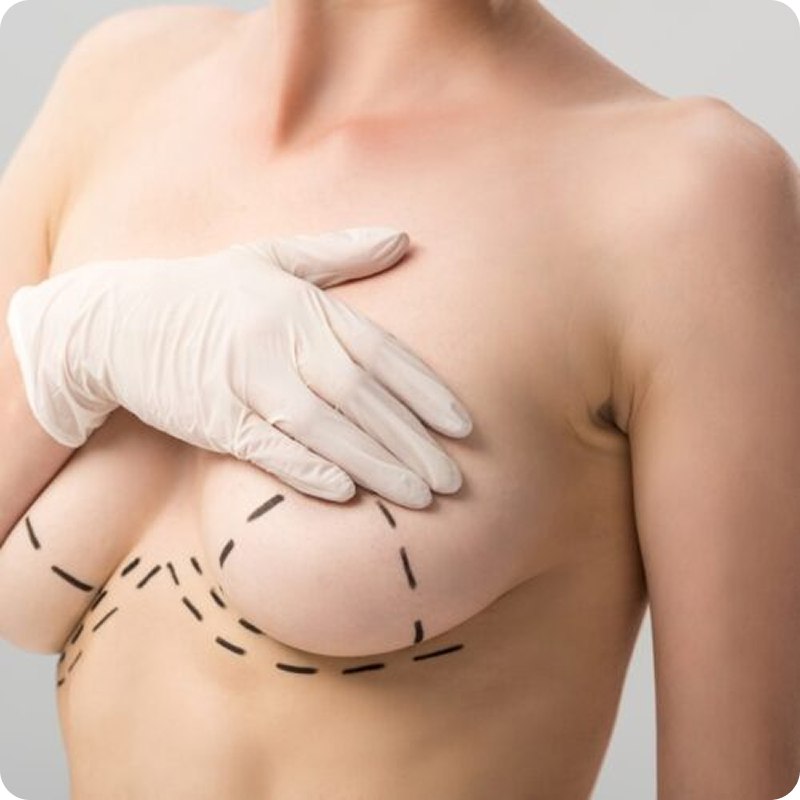
Breast reconstruction is tailored to each patient’s cancer treatment, anatomy and personal goals. Depending on the chosen technique, the procedure may involve implants, the patient’s own tissue, or a combination of both. Careful planning helps determine the most appropriate approach to restore breast shape, symmetry and confidence following mastectomy.
01
Consultation with breast and reconstructive surgeon – assessment of cancer treatment plan and suitability for reconstruction
02
Discussion of immediate versus delayed reconstruction options & selection of reconstruction method (implant, tissue flap, or combination).
03
Reconstruction performed either during mastectomy or as a separate operation – breast shape and volume recreated
04
Follow-up appointments & consideration of nipple reconstruction or symmetry procedures if required
DURATION:
Varies considerably depending on the reconstruction method chosen. Implant reconstruction is generally shorter, while flap-based reconstruction is more complex and takes longer.
Safety and Recovery for Breast Reconstruction
Breast reconstruction is a well-established procedure but involves major surgery and should be carefully planned alongside cancer treatment.
Potential risks discussed in reconstructive surgery include:
- Infection
- Delayed wound healing
- Scarring
- Implant-related complications (where applicable)
- Flap-related complications (for tissue reconstruction)
- Need for revision procedures to optimise symmetry or appearance
Recovery requirements vary according to the technique used. More complex flap procedures generally involve longer recovery periods than implant-based reconstruction. Ongoing follow-up is an important part of the reconstructive journey.
Breast Reconstruction Results
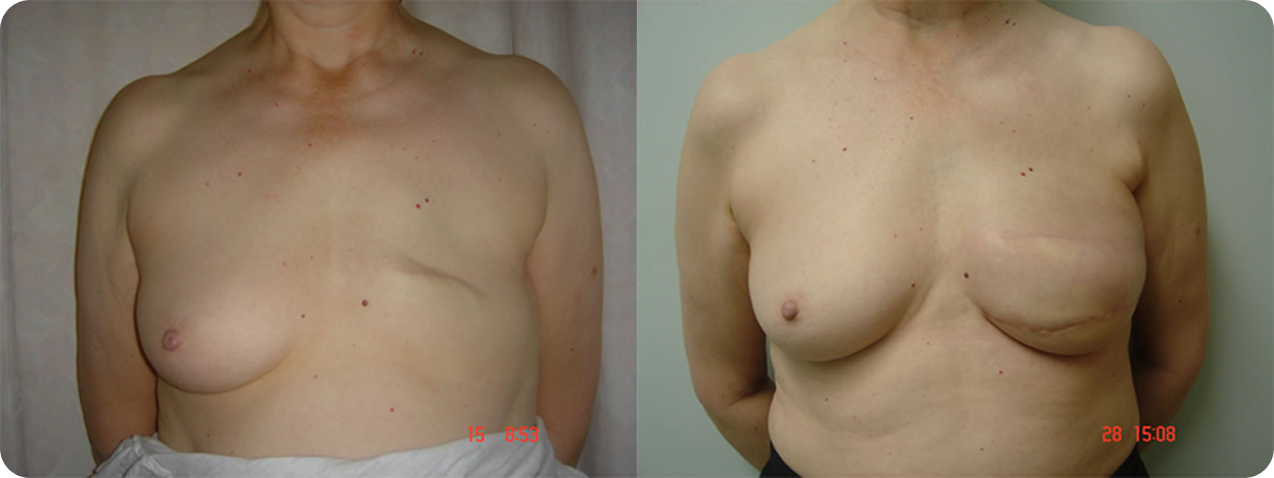
Breast reconstruction aims to restore breast shape, volume and symmetry following mastectomy.
Results vary according to:
- The amount of tissue removed
- Reconstruction technique selected
- Need for radiotherapy or additional cancer treatment
- Individual healing characteristics
Many patients report improved confidence and a greater sense of normality following reconstruction. The goal is to achieve a natural-looking breast shape while supporting long-term wellbeing.

Patient Suitability
Breast reconstruction may be suitable for women who:
- Have undergone or are planning a mastectomy
- Are considering preventative breast removal due to cancer risk
- Wish to restore breast shape after cancer treatment
- Are medically fit for surgery
- Have realistic expectations regarding outcomes and recovery
Suitability depends on cancer treatment requirements, overall health, smoking status, previous surgery, body shape and personal preferences.


Breast Reconstruction Surgery Costs
On consultation only.
Recovery Timeline
Recovery
Immediate post-operative hospital recovery – gradual return to everyday activities as advised by the surgical team
Early Healing
Early wound healing during the first few weeks
Scarring
Continued improvement in breast shape and scar maturation over several months
Future Care
Potential future procedures for nipple reconstruction or symmetry refinement if required
Breast Reconstruction Surgery FAQ
Breast reconstruction is surgery that restores the shape, size and appearance of one or both breasts following mastectomy.
It can be carried out immediately at the time of mastectomy or delayed until after cancer treatment has been completed.
Options include implant reconstruction, reconstruction using your own tissue, or a combination of both.
Yes. Nipple and areola reconstruction can often be performed at a later stage.
Some differences may remain, although additional procedures can sometimes improve symmetry.
In many cases it can be, although some patients are better suited to delayed reconstruction depending on treatment requirements.
Possibly. Some patients require staged procedures to optimise shape, symmetry or nipple reconstruction.
Yes. Tissue flap procedures use skin and fat from another part of the body to recreate the breast.
No. Reconstruction restores breast shape but does not increase the risk of breast cancer recurrence.