
Male Breast Surgery
Gynaecomastia is the medical term for the enlargement of male breast tissue, caused by an abnormal increase in glandular tissue behind the nipple.
While many people are unaware of how common this condition is, it affects a significant proportion of men at various stages of life.
Typically, men have minimal amounts of breast tissue; however, in cases of gynaecomastia, this tissue grows abnormally, leading to physical and sometimes emotional discomfort.
This condition is not uncommon, with 40–60% of men affected to varying degrees at some point in their life.

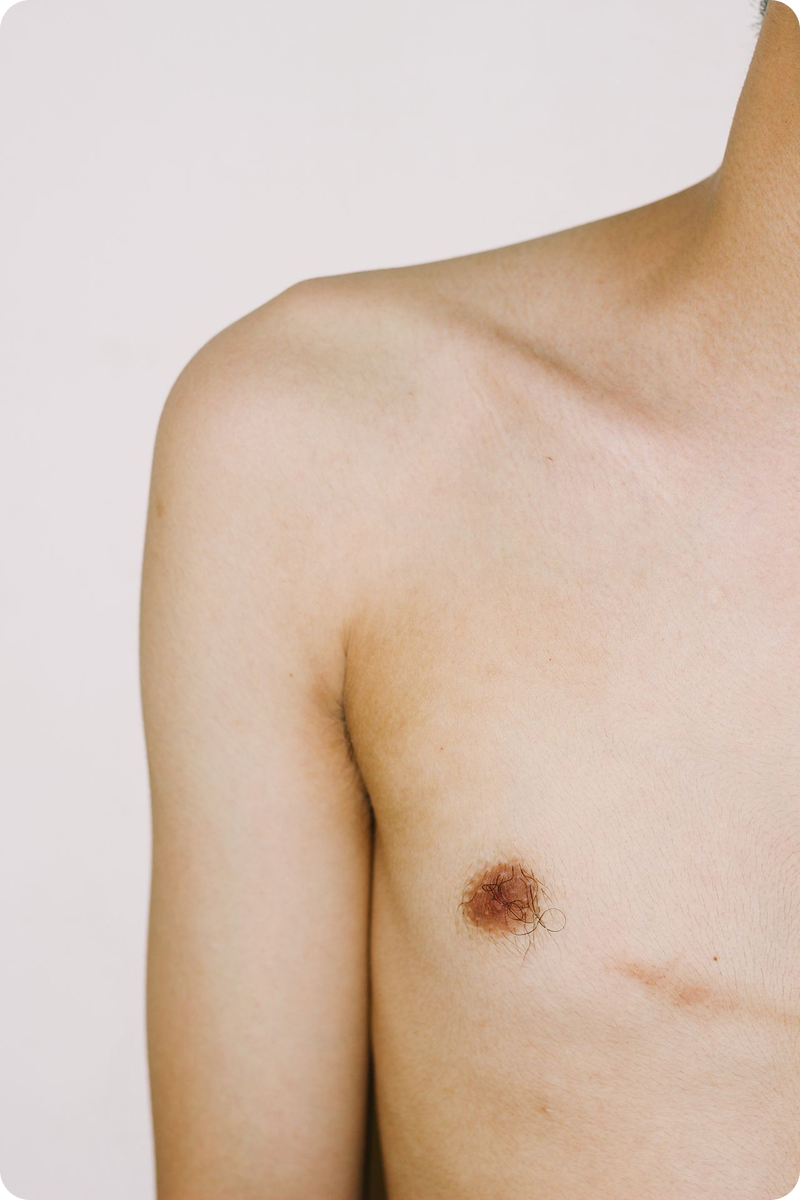

Understanding Gynaecomastia
Although Gynaecomastia can occur at any age, the condition most commonly develops during two key life stages:
- Early teens to early 20s: Hormonal changes during puberty can trigger the condition.
- After the age of 50 years: Hormonal imbalances associated with aging may lead to gynaecomastia.
Philip Turton, a highly regarded oncoplastic breastsurgeon in Leeds, specializes in diagnosing and treating gynaecomastia.
Whether you are seeking medical advice, lifestyle changes, or surgical solutions, he offers compassionate, professional care tailored to your needs.
How is Gynaecomastia Classified?
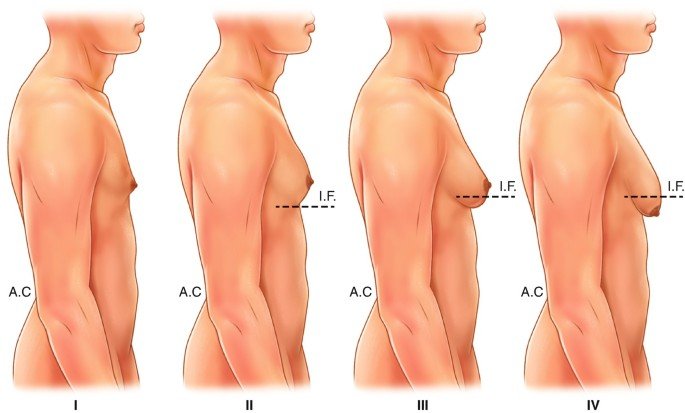
Gynaecomastia varies in severity and can be classified into four groups:
Group 1:
Minor but visible breast enlargement without excess skin.
Group 2A:
Moderate breast enlargement without skin redundancy.
Group 2B:
Moderate breast enlargement with slight skin redundancy.
Group 3:
Significant breast enlargement with noticeable skin redundancy, resembling a female breast.
Each classification impacts the approach to treatment and outcomes.

What Are the Treatment Options?
Treatment for gynaecomastia depends on its cause and severity.
Mr. Philip Turton offers a range of solutions:
Do nothing
For minor cases with no significant symptoms, the best option may be to monitor the condition under specialist guidance to see if it resolves naturally.
Lifestyle changes
Weight loss:
Reducing overall body fat and achieving a normal Body Mass Index (BMI) can significantly reduce the appearance of gynaecomastia.
Avoid triggers:
Eliminating alcohol, recreational drugs, and medications linked to gynaecomastia can prevent further tissue growth.
Medical Therapy
If caused by medication, discontinuing the drug under medical supervision may reverse symptoms.
Hormonal treatments can block estrogen effects, reducing tissue growth, but require specialist advice and monitoring.
Surgery
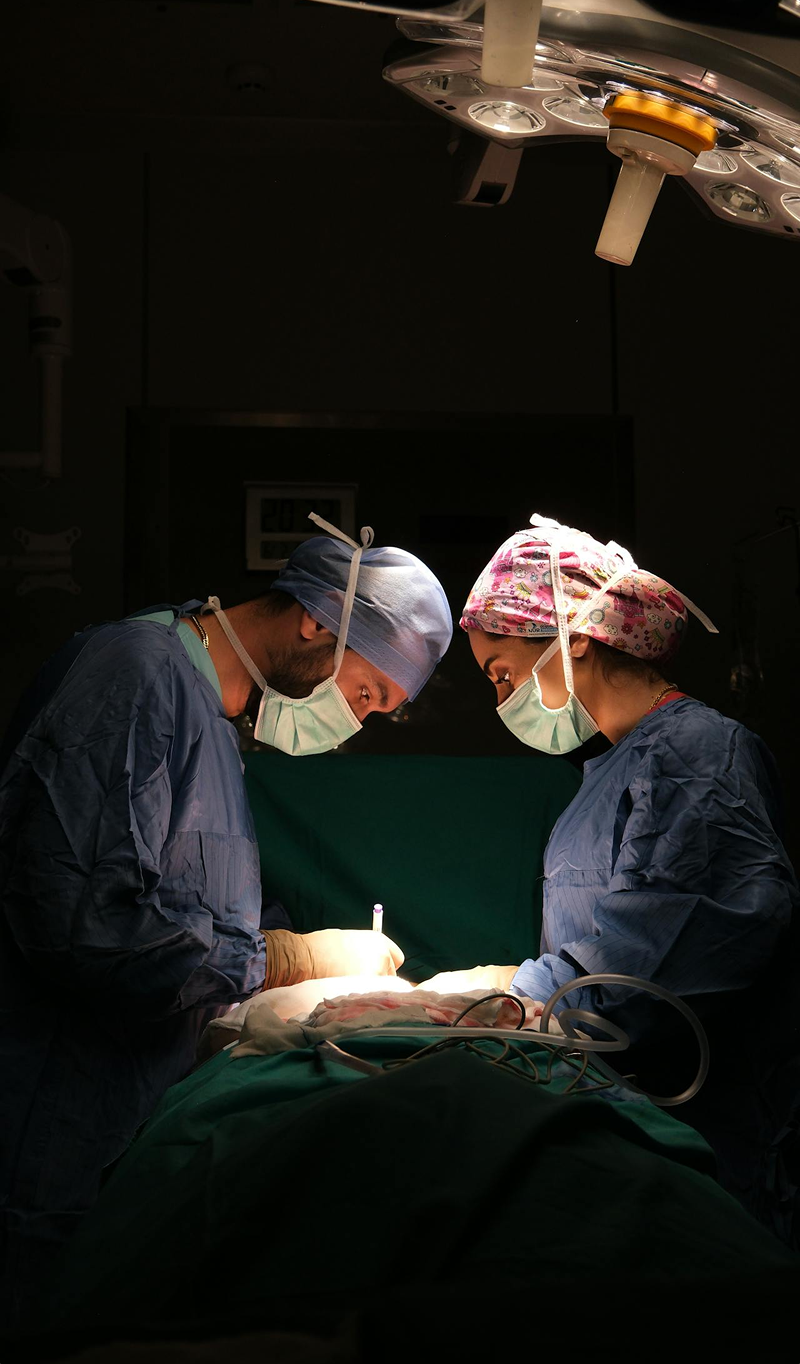
For more severe or persistent cases, surgical intervention may be necessary.
Surgery is tailored to the classification of gynaecomastia and can offer substantial improvement.
While surgical results can vary and leave scars, it remains an effective option for many patients, especially those with significant glandular tissue or skin redundancy.
Why Choose Philip Turton in Leeds for Gynaecomastia Treatment?
Philip Turton is a highly skilled oncoplastic surgeon with extensive experience in treating gynaecomastia.
His patient-centered approach ensures that you receive comprehensive care, from initial consultation to post-treatment support. Whether you are exploring non-surgical options or considering surgery, Mr. Turton is dedicated to helping you achieve the best possible outcome.
If you’re struggling with gynaecomastia, don’t hesitate to reach out for a consultation. Take the first step towards regaining your confidence and improving your quality of life.


Male Breast Reduction Surgery FAQ
Gynaecomastia is the enlargement of male breast tissue, resulting in a fuller or more prominent chest appearance. It can affect one or both sides of the chest and may be caused by hormonal changes, weight gain, certain medications, or other underlying factors.
Gynaecomastia is caused by excess glandular breast tissue, while pseudogynaecomastia is caused primarily by excess fat in the chest area. During your consultation, a physical examination will determine whether liposuction, glandular tissue removal, or a combination of both is most appropriate.
Exercise and weight loss can help reduce excess chest fat and improve overall body composition. However, true gynaecomastia caused by glandular breast tissue will not usually resolve with exercise alone and may require surgery for correction.
The most appropriate treatment depends on the cause of the chest enlargement. Many patients benefit from a combination of liposuction and direct glandular tissue removal to achieve a flatter, more masculine chest contour.
Scars are usually small and placed in discreet locations, often around the edge of the areola or within natural skin creases. They typically fade over time and become less noticeable as healing progresses.
The glandular tissue removed during surgery does not usually grow back. However, significant weight gain, hormonal changes, anabolic steroid use, or certain medications may contribute to future chest enlargement.
Recurrence is uncommon, and most patients enjoy long-lasting results. Maintaining a healthy weight and avoiding known triggers such as anabolic steroids can help preserve the outcome of surgery.
Patients are generally advised to be close to their ideal body weight before undergoing gynaecomastia surgery. Achieving a stable, healthy BMI helps optimise chest contour, reduce surgical risks, and improve long-term results.
Most patients return to office-based work within approximately one week. Light exercise can usually resume after several weeks, while more strenuous activities such as weight training and contact sports may need to be avoided for up to six to eight weeks.
An improvement is visible soon after surgery, but swelling can temporarily mask the final outcome. The chest continues to settle and refine over several months, with final results typically developing between three and twelve months after treatment.